Need more value from search? Book a free discovery call 📞

Le Chameau
Organic revenue from a 13% decline to 58% growth

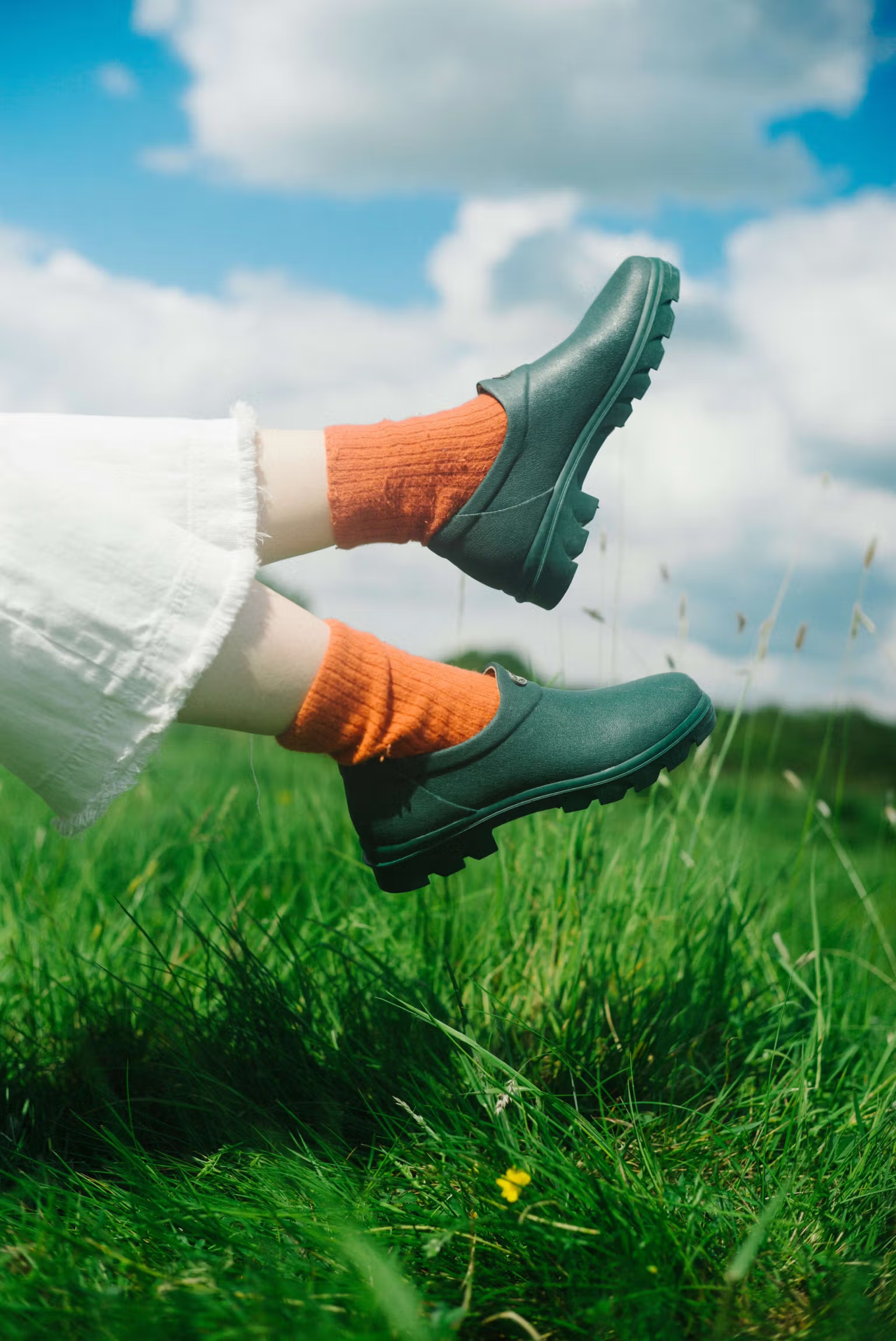
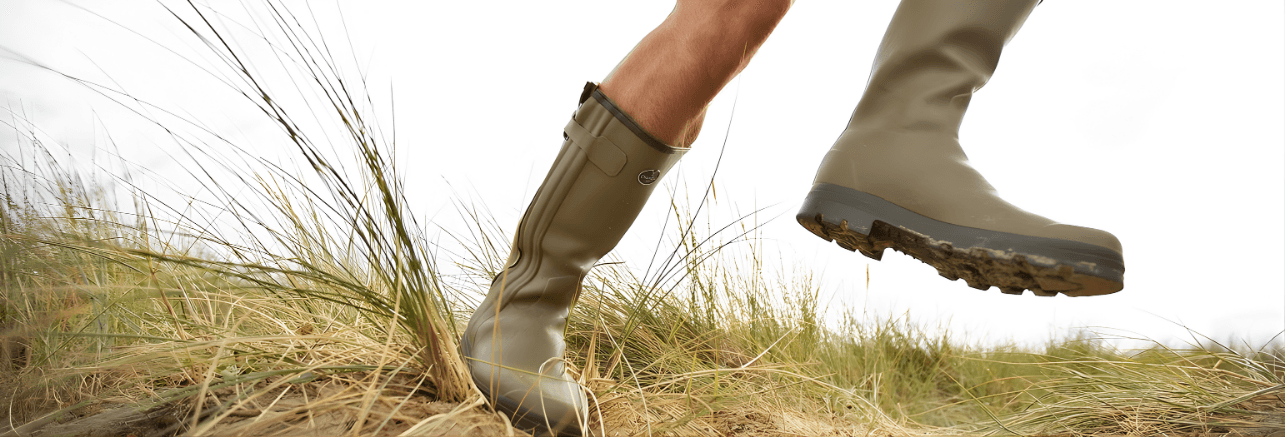
Hiker in khaki boots walking through tall grasses on a natural trail
AWARD
NOMINATED
58%

organic revenue

+62%

Organic Sessions

5,360

additional orders

11.8x

campaign ROI

Le Chameau has been making Wellington boots for more than ninety years, by hand, at the premium end of a market most people think of as a commodity. The relationship predates this campaign: This campagin was nominated at the UK Search Awards for Best Use of Search, Fashion (Large).

Le Chameau called one of its boots a Chelsea rubber boot. Around 880 people a month search for that. Meanwhile 12,100 were searching for ankle wellies.

Fourteen times the demand, sitting behind the wrong word. And that gap ran through the whole catalogue, because the site was organised around how the brand describes its products rather than how customers look for them. There were pages for men’s and women’s boots, and almost nothing for the reasons people actually buy a boot: farming, sailing, gardening, fishing, a festival. Nothing for calf width, which is the single thing that decides whether a Wellington fits. Nothing for the collections customers already knew by name.

The commercial position made it urgent. Organic revenue had fallen almost 13% year on year, and the year before that had fallen too. A heritage brand going backwards for two years in a category filling up with cheaper competition.

Then, mid-decline, the site was rebuilt and replatformed. Migrations are where existing rankings quietly disappear, and this one landed weeks before the brand’s biggest trading months of the year.

Services: Content, SEO
Industry: Fashion, Ecommerce

01. Find the words the brand wasn’t using.

  • Intent analysis
  • Keyword gap analysis
  • Search volume validation
  • Category taxonomy

We went through the catalogue term by term, comparing what Le Chameau called each product against what customers typed. The Chelsea boot was the clearest example, not the only one. That analysis set the build order. We started where the demand already was, rather than where the brand’s own language sat.


02. Build a page for every job a boot does.

  • Farming
  • Sailing
  • Walking
  • Fieldsports
  • Festival
  • Gardening
  • Collection pages
  • Calf width
  • Materials and lining
  • Colour preference by gender

Nobody searches for a Wellington boot in the abstract. They search for the thing they need it for. We built specialist pages for each activity, reintroduced collection pages for the ranges customers already asked for by name, and created calf-width pages so the question that decides the purchase finally had somewhere to be answered.

03. Then make sure Google could read all of it.

  • Migration snagging, dev through to launch
  • Redirect mapping
  • Server-side rendering
  • Core Web Vitals
  • UX recommendations

We audited the build before launch and kept snagging through go-live, mapping redirects so the new structure inherited the old one’s equity. Critical head tags weren’t being rendered server side, so we got that fixed rather than logged. Page speed reached 81 on PageSpeed Insights, with First Contentful Paint under 1.5 seconds and Largest Contentful Paint under 2.3 seconds, because a premium brand that loads slowly stops feeling premium.

A declining year became a growing one. Organic revenue rose 58% and sessions 62%, against a preceding year down almost 13%

That swing is close to seventy points. At Le Chameau’s own average order value it represents around 5,360 purchases that weren’t happening before, and it returned 11.8 times the campaign fee.

The migration didn’t cost a season, it made one. Three months after launch the brand recorded its single biggest organic revenue month in four years of data. Across the full peak, revenue rose 82% and sessions 55%.

Then it beat the client’s own revenue forecast, two months running. The first month came in 26% ahead of budget. The following month came in 84% ahead, on a number the client had set themselves.

The intent pages carried it. Women’s category revenue grew 722%, and the activity and collection pages built for how people actually shop for boots went from not existing to among the highest-traffic pages on the site. The demand had been there the whole time. It was just filed under a different name.


Reach out to discuss how we can help your brand stay ontop


Invite us to pitch


More Work

View all
cases