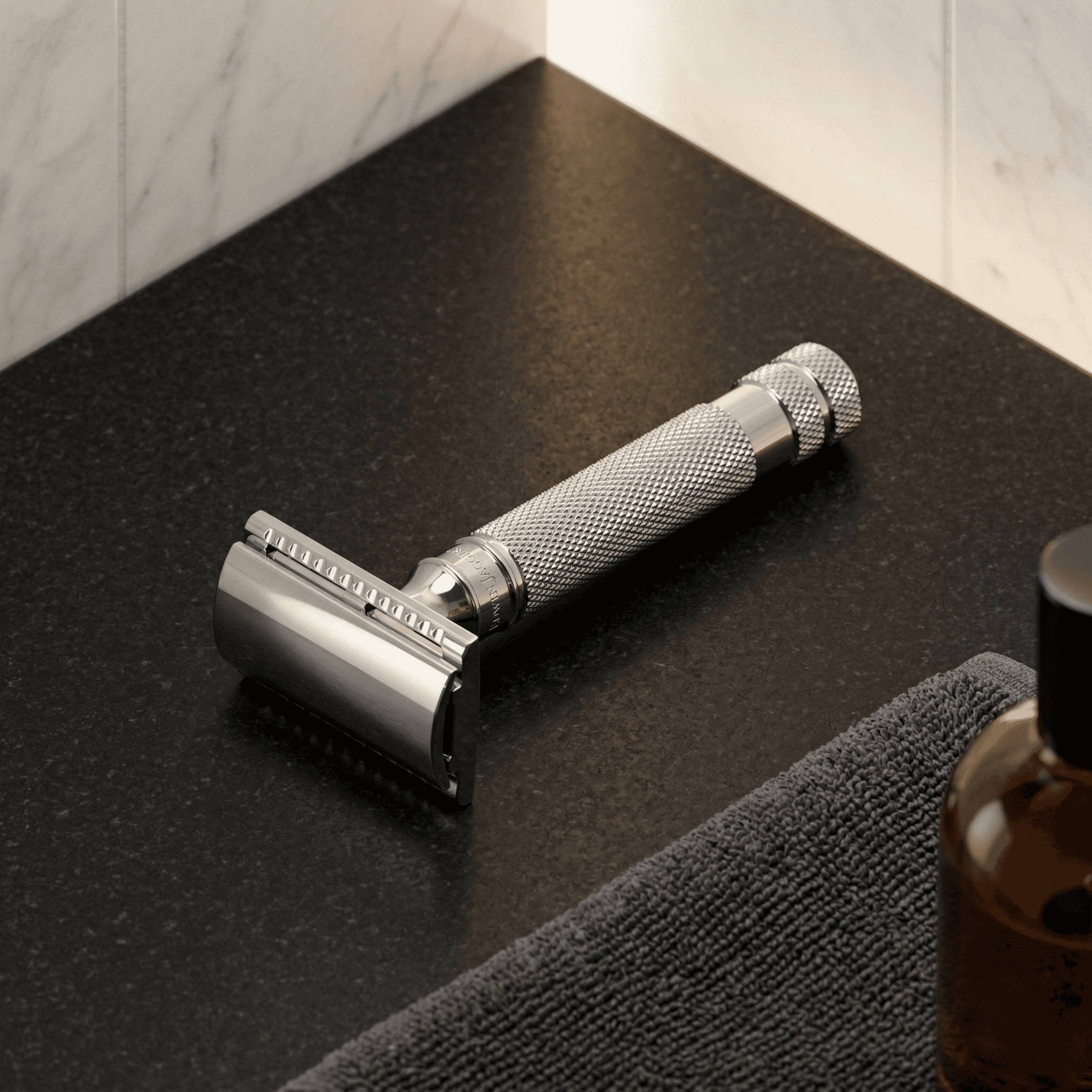
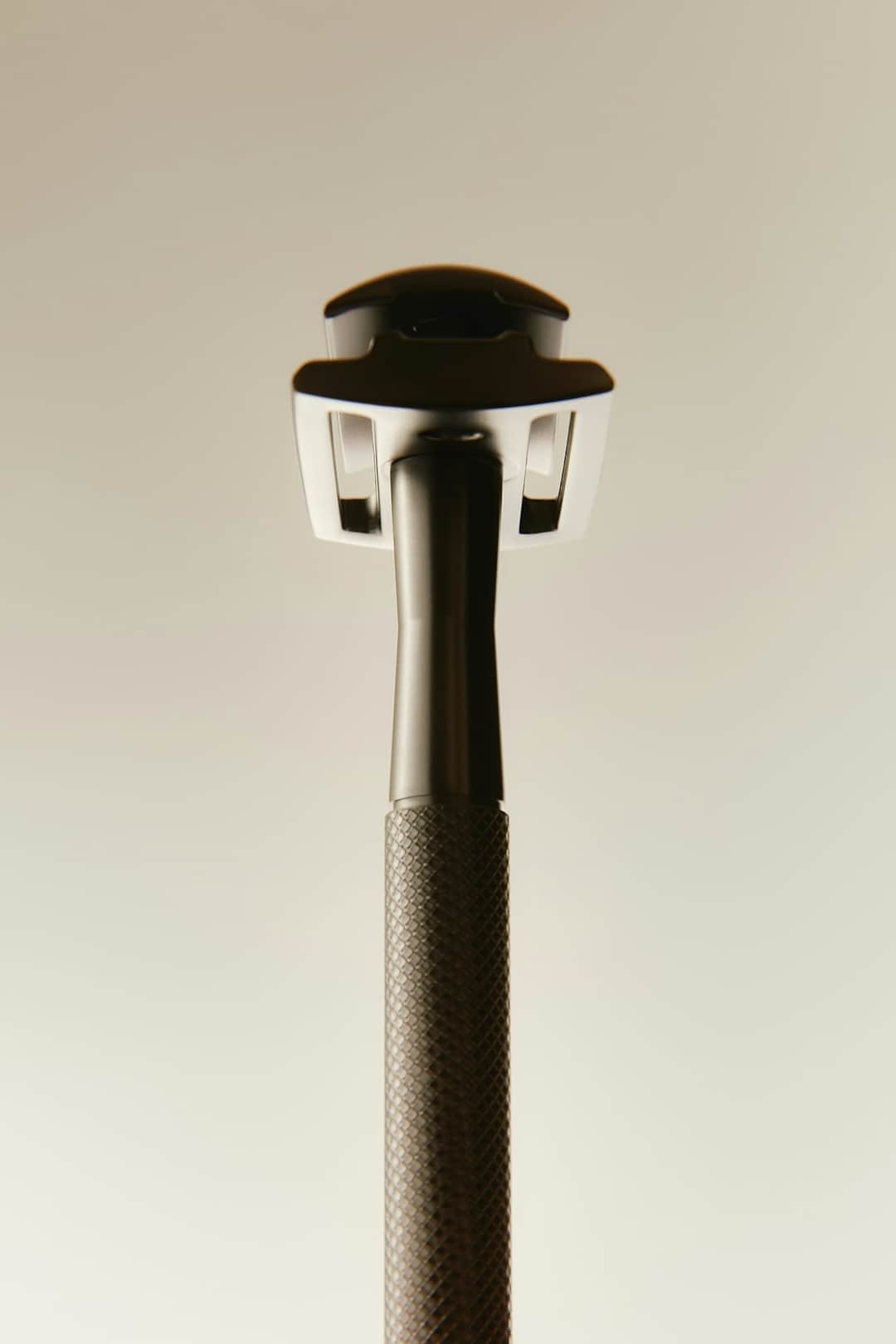
If your product range skews heavily toward beard maintenance or mass-market electric grooming, you are currently optimising for the shrinking part of the market. Beard trimmers, at 33,100 monthly searches, are down 18.2%. Hair buzzer, at 18,100 searches, is down 18.2%. Beard styler, at 22,200 searches, is down 18.5%. These terms were the building blocks of most grooming brands’ content and SEO strategy. Men’s foil shaver, at 720 searches, is up 117% and sits in genuine opportunity territory. Single blade razor, at 3,600 searches, is up 86%. Safety razor keywords average 19.5% growth and double edge razor keywords average 18%.
There are four practical moves here. First, your category pages should lead with proper, traditional, close shaving as a primary category with real depth, instead of relegating it to a subcategory under beard care. Second, content should build genuine authority around the specific, technical, high-intent questions men are now searching, such as the best foil shaver for sensitive skin or how to choose double edge razor blades. Third, product range depth matters, because the brands gaining visibility in traditional shaving carry real catalogue breadth across brushes, soaps, blades, razors and aftershave balm. Fourth, the wet shaving revival is a legitimate cultural story that national press will cover, and the brands that earned their growth this year did so partly through that kind of editorial coverage.
Taken together, these four moves point a brand toward the product categories and search terms that are still growing while the beard-era terms continue to decline.